Quick answer: THCA is the raw, non-intoxicating acid in cannabis flower, and delta-9 THC is the psychoactive compound it becomes when heated. Smoke or vape THCA and you are mostly consuming delta-9 THC. The main differences are in raw form, on lab reports and in how the law has measured them.
Delta-9 THC is the compound most people mean when they say “THC.” THCA is its natural precursor. So comparing THCA vs delta-9 is really comparing the “before” and “after” of one reaction.
THCA vs delta-9 comparison table
| THCA | Delta-9 THC | |
|---|---|---|
| What it is | Raw acid form made by the plant | Neutral form created when THCA is heated |
| Psychoactive? | Not considered intoxicating raw | Yes |
| Found in | Fresh and dried flower, rosin, live concentrates | Smoke, vapor, edibles, decarbed oils; small amounts in flower |
| How you get it | Directly from the plant | Heat (smoking, vaping, baking) or slow aging |
| Lab report line | “THCA” or “THCa” | “Δ9-THC” or “delta-9 THC” |
| In total THC math | THCA × 0.877 | Added at full value |
| Drug test | Smoked or vaped THCA becomes THC, so a positive test is likely | Standard tests look for its metabolite |
| Federal hemp limit | Being added to the total THC count under new rules | 0.3% or less by dry weight |
What is delta-9 THC?
Delta-9-tetrahydrocannabinol is the main psychoactive compound in cannabis. The “delta-9” part names where a specific double bond sits in the molecule.
Delta-9 THC binds to CB1 receptors in the brain and body. That’s why it produces the familiar buzzed, relaxed or euphoric feeling people associate with cannabis.
What is THCA?
THCA, or tetrahydrocannabinolic acid, is what the plant actually produces. It carries an extra carboxyl group (COOH) that delta-9 THC doesn’t have.
That extra group changes the molecule’s shape. Raw THCA doesn’t bind well to CB1 receptors, which is why it isn’t considered intoxicating. That small difference has a big effect.
How THCA becomes delta-9 THC
Heat knocks the carboxyl group off THCA, releasing it as carbon dioxide. This is called decarboxylation. What remains is delta-9 THC.
Smoking and vaping do this in seconds. Baking does it more slowly at lower heat. Storage in warm, bright or airy conditions does it very slowly over weeks and months.
For a closer look at what happens in a pipe or joint, read Does THCA Turn Into Delta-9 When Smoked?
THCA vs delta-9 effects
If you use THCA raw
Raw THCA isn’t considered intoxicating. Some people add raw flower or leaves to smoothies for that reason. Research on raw THCA in humans is still early, so it’s best to keep expectations modest.
If you smoke, vape or bake THCA
Heated THCA becomes delta-9 THC, so the effects match what people report from delta-9. Common reports include feeling relaxed, uplifted, giggly, hungry or sleepy.
Effects depend on the amount, the person and the strain’s terpene profile. Start low, wait to see how you feel, and never drive after use. Our guide to THCA effects, side effects and benefits goes deeper.
THCA vs delta-9 on a lab report
A certificate of analysis (COA) lists THCA and delta-9 THC on separate lines. In THCA hemp flower, you’ll usually see a large THCA number and a small delta-9 number.
Labs then combine them into total THC using this formula:
Total THC = (THCA × 0.877) + delta-9 THC
The 0.877 reflects the weight THCA loses when it sheds CO2. For example, a sample with 15% THCA and 0.1% delta-9 would show about 13.26% total THC. That’s just an example of the math, not a product.
Want to know what counts as strong? See What Is a High THCA Percentage?
THCA vs delta-9 and the law
The 2018 Farm Bill defined hemp as cannabis with 0.3% or less delta-9 THC by dry weight. That definition didn’t count THCA for finished products.
A federal law passed in late 2025 changes the hemp definition to count total THC, including THCA, starting in late 2026. States also set their own rules. For current details, read Is THCA Legal?
THCA vs delta-9 on a drug test
Standard drug tests look for a THC metabolite, not THCA itself. But smoking or vaping THCA creates delta-9 THC, and your body processes it the same way.
That means a positive result is likely after using heated THCA. Our post on whether THCA shows up on a drug test explains test types and timing.
Where you’ll find THCA vs delta-9 products
The two compounds tend to show up in different kinds of products. That’s because of how each one is made and used.
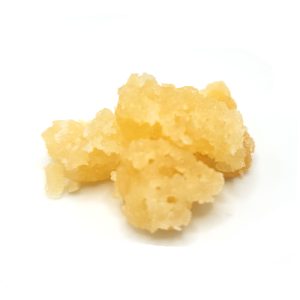
- THCA products: flower, pre-rolls, diamonds, rosin and other concentrates meant to be heated.
- Delta-9 products: gummies, drinks, tinctures and other ready-to-use items where the THC is already activated.
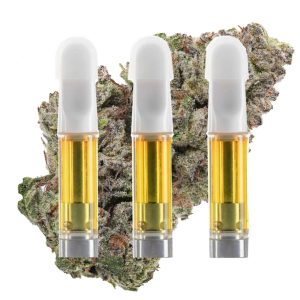
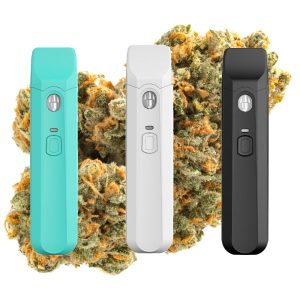
THCA vapes are a bit of both. The cartridge holds THCA-rich oil, and the device heats it into delta-9 as you inhale.
Why the onset can feel different
The compound isn’t the only thing that shapes the experience. How you take it matters just as much.
Smoked or vaped THCA usually kicks in within minutes and fades over a few hours. Delta-9 edibles take longer to start, often 30 minutes to 2 hours, and can last much longer.
That slow start is why people sometimes take too much of an edible. Whatever you use, give it time before taking more.
Common THCA vs delta-9 myths
- “THCA is a different kind of THC, like a cousin.” It’s not a cousin. It’s the direct precursor that becomes delta-9.
- “Low delta-9 on a COA means weak flower.” For flower, the THCA number tells you far more about strength once heated.
- “THCA won’t show on a test because tests look for delta-9.” Heated THCA becomes delta-9, so it will.
Which should you choose?
For smokable flower, it’s less a choice than a matter of timing. THCA is what’s in the jar, and delta-9 is what you get once it’s lit.
- Pick THCA flower if you want hemp flower that is psychoactive once heated.
- Use it raw if you want to avoid psychoactive effects.
- Decarb it first if you want to cook with it. See how to decarb THCA flower.
For the broader picture of THCA vs THC in general, read THCA vs THC.
THCA vs Delta-9 FAQ
Is THCA stronger than delta-9?
Not exactly. Raw THCA isn’t psychoactive. Once heated, it becomes delta-9, so strength depends on total THC, not on which name is on the label.
Does smoking THCA feel like delta-9?
Yes, for most people. Smoking converts THCA into delta-9 THC, so the effects are generally similar. See Does THCa Get You High? for more.
Why does THCA flower have so little delta-9?
The plant makes THCA, not delta-9. Delta-9 only builds up with heat or aging, so carefully dried and stored flower stays low in it.
Can THCA turn into delta-9 in storage?
Yes, slowly. Heat, light and air convert small amounts over time. Store flower in an airtight jar somewhere cool and dark.
Will THCA make me fail a drug test like delta-9?
Very likely, if you smoke or vape it. Heated THCA becomes delta-9 THC, which leaves the same metabolite that tests look for.
Browse our lab-tested THCA flower for sale, and compare THCA and delta-9 numbers for every batch on our certificates of analysis page. For adults 21+.