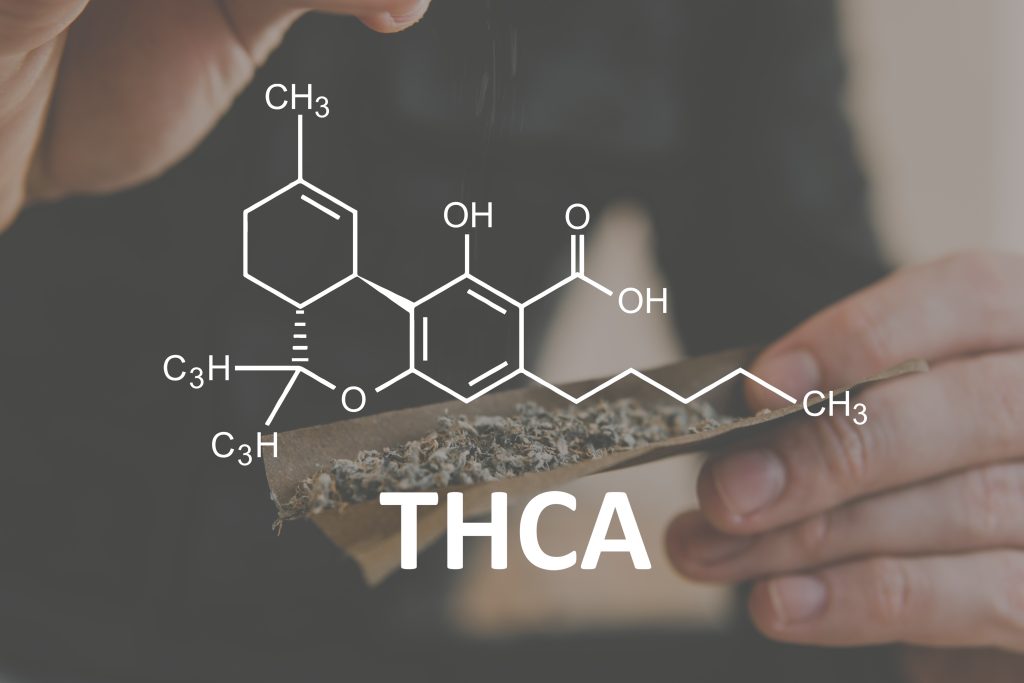
Quick answer: THCA stands for tetrahydrocannabinolic acid. It is the raw, natural form of THC that a cannabis plant makes as it grows. THCA on its own is not intoxicating, but heat from smoking, vaping, dabbing or baking turns it into THC. That is why THCA flower is real cannabis, and why its lab report lists THCA % instead of THC %.
If you have shopped for hemp flower lately, you have seen “THCA” everywhere. It is on menus, product names and lab reports. This guide explains what THCA is in plain English: what the letters mean, how it becomes THC, how THCA flower compares to dispensary weed, and what the law says about it.
What does THCA stand for?
THCA is short for tetrahydrocannabinolic acid. You will also see it written as THCa, THC-A or “THC a”. They all mean the same thing. The “A” stands for acid, because THCA carries an extra piece called a carboxyl group (a carbon, two oxygens and a hydrogen) that THC does not have.
That small extra piece changes everything. It makes the molecule the wrong shape to fit the CB1 receptors in your brain, which is where THC does its work. Take the piece away and you have THC.
What is THC A, and how is it different from THC?
Think of THCA as THC that hasn’t been switched on yet. A growing cannabis plant doesn’t make much THC directly. It makes THCA, and stores it in the tiny, sticky trichomes that cover the buds. Fresh, raw cannabis can be loaded with THCA and still have very little THC.
When THCA is heated, the carboxyl group breaks off as carbon dioxide. This is called decarboxylation, or “decarbing”. What’s left is delta-9 THC, the same compound that gives cannabis its familiar effects. Here’s the short version:
- THCA: found in raw cannabis, not intoxicating on its own, measured on lab reports as THCA %.
- THC (delta-9 THC): what THCA becomes with heat, the compound responsible for cannabis effects.
- Total THC: a lab number that estimates how much THC you would have after all the THCA is converted.
For a side-by-side breakdown, see THCA vs THC and THCA vs Delta 9.
Where does THCA come from?
Every major cannabinoid starts as CBGA, sometimes called the “mother cannabinoid”. As the plant matures, enzymes turn CBGA into one of a few acids. In most modern strains, the main one is THCA. That’s why a strain’s THCA % is the best single number for judging how strong its flower will be once it is lit.
THCA builds up in the trichomes, the frosty crystals you can see on a good bud. More trichomes usually means more THCA. Drying and curing the flower keeps most of that THCA in its acid form until you heat it.
Is THCA the same as THC?
Not exactly, but it becomes THC. In the jar, THCA and THC are two different molecules. Once you smoke, vape or bake THCA flower, most of its THCA converts to THC. So in practice, using THCA flower feels like using regular cannabis, because by the time it reaches you it is largely THC.
The difference matters most on paper. Laws and lab reports have often looked at delta-9 THC specifically, not THCA. That is the reason THCA flower has been sold as hemp. More on that below.
Is THCA real weed?
Yes. THCA flower is cannabis flower. It is grown from the same kinds of genetics you’d find in a dispensary, like Gelato, Runtz or OG Kush, and it looks, smells and smokes the same. It is not sprayed or synthetic. What makes it “THCA flower” is how it is grown, harvested and tested so that its delta-9 THC stays at or under 0.3% by dry weight before it is heated.
Want the full picture? Read What is THCA flower? and Is THCA flower sprayed or synthetic?
How does THCA turn into THC?
Heat does the work. How much converts depends on how hot and how long:
- Smoking a joint, bowl or blunt: the flame converts THCA instantly as you inhale.
- Vaping flower: a dry herb vaporizer heats THCA enough to convert it without burning the plant.
- Dabbing: concentrates like crumble, diamonds or isolate convert on a hot banger or coil.
- Baking and cooking: edibles need flower decarbed first, usually low and slow in an oven. See how to decarb THCA flower.
Not every bit of THCA becomes THC. Some is lost to heat and smoke, and the molecule gets lighter when it drops the carboxyl group. Labs use a simple formula to estimate the result: total THC = (THCA × 0.877) + delta-9 THC. So a flower testing at 25% THCA and 0.2% delta-9 THC works out to about 22.1% total THC. Our post Does smoking THCA convert it to THC? walks through the math.
Is THCA psychoactive?
Raw THCA is not intoxicating. Eating a raw bud or blending fresh leaves into a smoothie won’t give you the effects of THC. Once it is heated, it is a different story, because then you are consuming THC. That’s the short answer to the question in our post “Does THCa Get You High?“
People describe the effects of smoked THCA flower the same way they describe regular cannabis: relaxation, a lifted mood, a bigger appetite and better rest, depending on the strain. Everyone reacts differently, so start small. Read more in THCA effects, side effects and benefits.
Does THCA show up on a drug test?
Yes, it can. Standard drug tests look for THC metabolites, and smoking THCA flower produces THC in your body. If you are tested for work, treat THCA flower the same as regular cannabis. Details are in Does THCA show up on a drug test?
How to read THCA on a lab report
Every product we sell has a certificate of analysis (COA) from a third-party lab. When you open one, look for these lines:
- THCA %: the main potency number for flower and concentrates.
- Delta-9 THC %: must be at or under 0.3% for the product to count as hemp under the current federal rule.
- Total THC: the estimate after conversion, using the 0.877 formula.
- Total cannabinoids: THCA plus every other cannabinoid the lab measured.
What counts as strong? See What is a high THCA percentage? You can browse every report on our lab results page.
Types of THCA products
- THCA flower: dried and cured buds, from 2 ounce packs up to pounds for wholesale.
- Snowcaps: flower coated in THCA isolate for a stronger smoke.
- Moonrocks: flower coated in concentrate and rolled in kief.
- Pre-rolls: ready-to-smoke joints, including diamond-infused options.
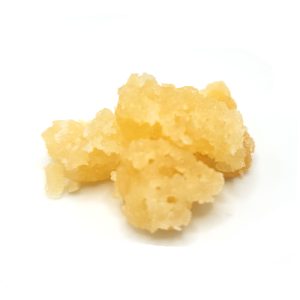
- Concentrates: crumble, diamonds and isolate for dabbing or topping a bowl.
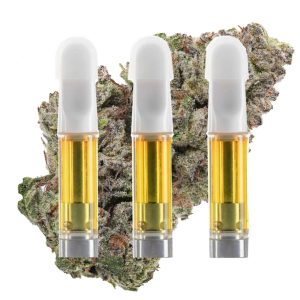
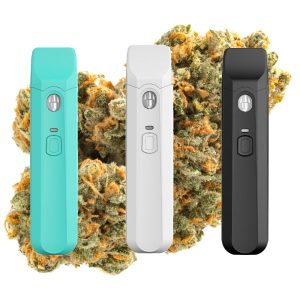
- Vapes: carts and disposables.
- Shake: smaller pieces of flower, popular for rolling and making edibles.
Is THCA legal?
Right now, hemp is defined federally by its delta-9 THC content: 0.3% or less by dry weight. Because THCA is not delta-9 THC, flower high in THCA has been sold as hemp under the 2018 Farm Bill. Some states set their own stricter rules, and we don’t ship THCA to Arkansas, Colorado, Florida, Hawaii, Idaho, Iowa, Kentucky or Wyoming.
That is changing. Starting December 11, 2026, the federal hemp definition switches to total THC, which counts THCA. After that date, most THCA flower will no longer meet the federal hemp definition. Our Is THCA legal? guide covers the federal change and state-by-state rules, and we will update it as things develop.
THCA FAQ
What is THCA in simple terms?
THCA is the raw form of THC. Cannabis plants make THCA, and heat turns it into THC.
What is the meaning of THCA?
THCA means tetrahydrocannabinolic acid, the acid form of tetrahydrocannabinol (THC).
Is THCA stronger than THC?
Not on its own. Raw THCA isn’t intoxicating. Once heated, a gram of THCA becomes a little less than a gram of THC (about 87.7%), because the molecule loses weight when it converts.
Is THCA natural?
Yes. THCA is made by the cannabis plant itself. THCA flower is natural cannabis. THCA isolate and diamonds are extracted from the plant, not made in a lab from scratch.
Does THCA have to be smoked?
To feel THC effects, THCA has to be heated. Smoking and vaping do that instantly. For edibles, you decarb the flower first.
How old do you have to be to buy THCA?
You must be 21 or older to buy from HIGH THCA.